


Many of us are overworked, overstimulated and overloaded. I am offering extended individual therapy sessions into the beautiful Ashdown Forest, an area of outstanding beauty. Being in nature offers a soothing, calming, re-balancing backdrop for your therapeutic process. I also have a mobile therapy room nearby should we need to continue indoors.
Why Therapy in Nature?
Often we are in auto-pilot, lost in the same recurring thoughts, feelings & behaviours, ruminating on the past and anxious about the future. Personal growth and transformation requires us to be aware, observant and present to our experience, moment by moment. Nature is a perfect place to be mindful – the calming & beautiful sound of birdsong, flowing water, rustling trees… the restful sight of greenery or colourful flowers, the feel of the sun or breeze on your face… all can help the busy mind to slow down. The beauty and stillness can allow us more readily to drop into a heart space – the optimum place to access insight into our life experience, to get in touch with what is important to us and to gently uncover and release suppressed feelings.
The longer session allows us the time to explore more deeply and incorporate mindfulness and presence into the process. This 2 hour session may be used every other week to make it more financially accessible.
Scientific Research on the Benefits of Being in Nature:
A wide body of research points to the many health benefits of being in nature: In a study of 20,000 people, a team led by Mathew White of the European Centre for Environment & Human Health at the University of Exeter, found that people who spent two hours a week in green spaces — local parks or other natural environments, either all at once or spaced over several visits — were substantially more likely to report good health and psychological well-being than those who don’t. Two hours was the time specified to make a difference.
The full paper “Spending at least 120 minutes a week in nature is associated with good health and wellbeing” is published in the journal Scientific Reports and is available here nature.com/articles/s41598-019-44097-3
………………………………………………………………………………………………………………………………………….
The Benefits of Nature Connection
A Personal Story
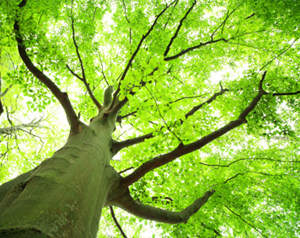 Sixteen years ago, I had brain surgery to remove a tumour. After the operation, I lay in my hospital bed feeling physically traumatised, as if my whole body had been smashed with a very heavy object. I had no energy and was unable to move or speak.
Then I noticed that when I looked out of the hospital window at a tree outside, I felt a tangible surge of energy. I felt better when I was looking a the tree. I was intrigued and for as much time as I was able, I experimented with looking at the tree and then averting my gaze. The results were the same, when looking at the tree I experienced a soothing of the pain.
The seeds were sown…. the realisation that nature is healing for the body / mind. If looking at a single tree from inside a hospital ward could make an impact, how much greater benefit would we experience by being surrounded by nature, by being immersed in it?
Scientific Research Into the Benefits of Nature for Mental Health
Research studies point to the replenishing effects of nature for those with depression. Ethan Kross PhD, associate professor of psychology at the University of Michigan is one of many experts who has studied the nature-depression link. The findings were as follows:
- Adults with depression who took a 50-minute walk in a natural setting for one research session and then a 50-minute walk in an urban setting for another research session were less depressed and had better memory skills after they took the nature walk.
- Adults who moved to greener urban areas, compared to less green, had better mental health during follow-up three years after the move.
- Those who took group nature walks reported less depression, less stress, and a better sense of well-being than those who didn’t take nature walks, according to a study that looked at more than 1,500 people in a walking program.
- Being outdoors and in nature boosts vitality, which experts define as having physical and mental energy. Those with depression often report fatigue and decreased energy. Researchers found the energy-boosting effect of nature was independent of the physical activity or social interaction experienced while outdoors.
 Lisa Stimpson Counselling East Grinstead